

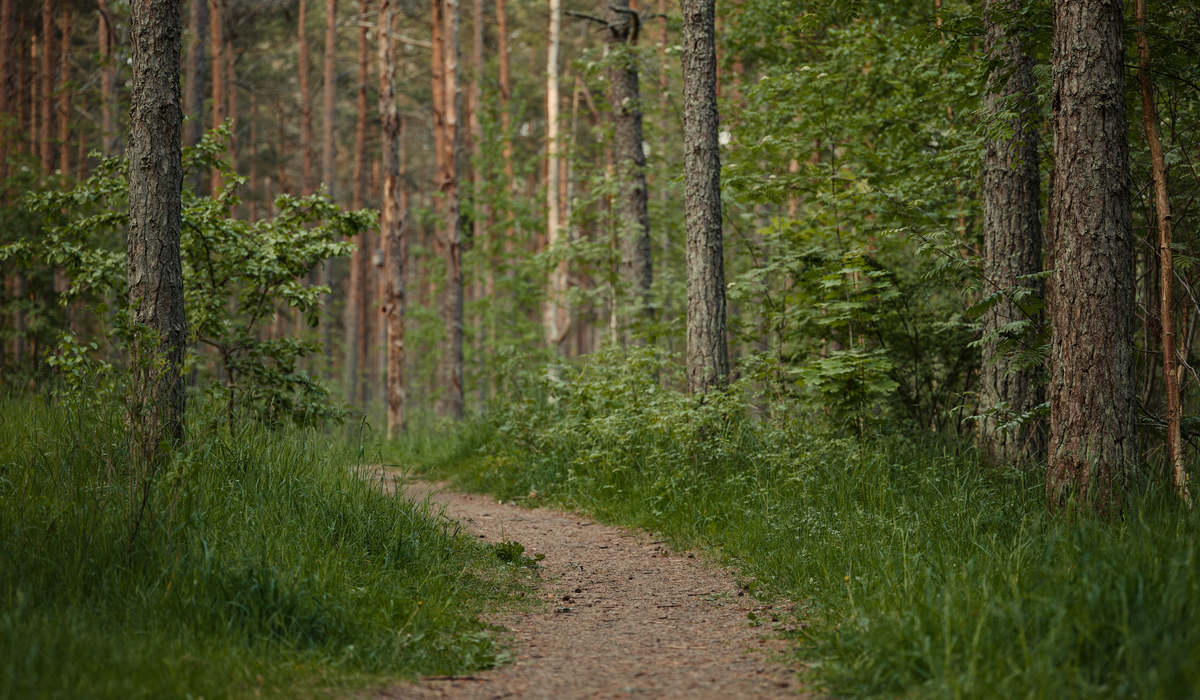
How to Spot Common Tree Diseases in British Gardens
British gardens are a treasure trove of native trees, from stately oaks to delicate rowans. But these trees face a host of threats, from fungal infections to insect pests. Spotting the early signs is key to keeping your garden healthy and your woodland thriving. Native trees support countless species, from insects to birds, and they define our landscape. This guide covers the most common problems and how to tackle them.
Why Early Detection Matters in British Gardens
Catching tree problems early can save you money, preserve valuable habitat, and prevent the loss of a beloved tree. Trees are long-lived, so small issues compound over years. A fungal infection or pest infestation that goes unnoticed can weaken a tree, making it vulnerable to storms, drought, and secondary infections. Regular walks around your plot, especially in spring and autumn, are your best defence. Look closely at leaves, bark, and roots – changes often appear before the tree shows obvious decline.
Fungal Foes: Spotting the Signs
Fungi are the most common culprits in British gardens. Here are the key signs to look for:
- Ash dieback: Dark, diamond-shaped lesions on bark and wilting, blackened leaves. In summer, look for dieback in the crown and epicormic growth (shoots from the trunk).
- Honey fungus: White fungal sheets under bark, black bootlace rhizomorphs in the soil, and sudden death of branches. Often attacks stressed trees.
- Apple and pear canker: Sunken, cracked areas on branches, often with concentric rings. Cankers may ooze in wet weather.
- Phytophthora root rot: Wilting leaves, sparse canopy, and dieback despite moist soil. Roots smell sour and appear dark.
Other signs include powdery mildew (white dust on leaves), rust (orange spots on leaves), and sooty mould (black coating from honeydew). For example, silver leaf causes a silvery sheen on plum and cherry leaves, and bracket fungi appear as hard shelves on trunks. If you see any of these, remove affected leaves and improve air circulation.
Pests to Watch For
Pests can be just as damaging as fungi. In the UK, keep an eye out for:
- Oak processionary moth: Nests of white silken webbing on oak trunks and branches in spring. Caterpillars have urticating hairs – do not touch. Report sightings to your local council.
- Horse chestnut leaf miner: Brown blotches on leaves in summer, causing early leaf drop. Not fatal but stresses the tree.
- Aphids and scale insects: Sticky honeydew, curled leaves, and sooty mould. Ants often farm them.
- Vine weevil: Notches on leaf edges (adults) and wilting plants (larvae eating roots).
Also look for caterpillars of winter moth (holes in leaves) and red spider mite (fine webbing, pale speckled leaves). Tortrix moth caterpillars roll leaves and spin silk, while lily beetle can defoliate lilies and fritillaries. Check undersides of leaves for eggs and nymphs.
Practical Steps to Protect Your Trees
Prevention is better than cure. Follow these steps:
- Hygiene: Clean tools with methylated spirits between cuts. Remove and burn infected prunings – do not compost.
- Pruning: Prune in dry weather, using the three-cut method for branches. Never prune oaks between April and July to avoid oak processionary moth.
- Mulching: Apply a 5-8 cm layer of well-rotted organic matter around the base, keeping it away from the trunk. This conserves moisture and suppresses weeds.
- Watering: Water deeply during dry spells, especially young trees. Drought stress invites disease.
- Monitoring: Inspect trees monthly. Use a hand lens for early fungal signs.
Encourage natural predators: ladybirds, lacewings, and birds. Avoid broad-spectrum pesticides. Also, avoid damaging bark with strimmers – wounds are entry points for disease. Plant bare-root trees in autumn for best establishment.
Creating a Resilient Woodland Garden
Diversity is your best insurance. Plant a mix of native species – oak, birch, hazel, rowan, and field maple. Space them according to mature size to allow air circulation, which reduces fungal spread. Underplant with shade-tolerant shrubs and bulbs. Choose disease-resistant varieties where available, such as ash dieback-tolerant ash (though rare) or canker-resistant apples like 'Discovery'.
Leave deadwood in place for beneficial insects and fungi. Avoid overcrowding. Rotate crops in kitchen gardens. And remember: a healthy soil food web supports tree health. Consider a mixed hedge of hawthorn, blackthorn, and dog rose to act as a windbreak and wildlife corridor. If you have a large garden, leave a wild corner with nettles and logs for beneficial insects.
By walking your garden regularly and acting on early signs, you can protect your trees for decades. Your woodland will reward you with shade, wildlife, and beauty.


Tree Care
-
Discover how a simple mulch layer conserves moisture, suppresses weeds, and improves soil structure around established trees and shrubs.
Planting



-

Long established fact that a reader will be distracted
-

Long established fact that a reader will be distracted
-

Long established fact that a reader will be distracted

Woodland
Karla Gleichauf
12 May 2017 at 05:28 pm
On the other hand, we denounce with righteous indignation and dislike men who are so beguiled and demoralized by the charms of pleasure of the moment
M Shyamalan
12 May 2017 at 05:28 pm
On the other hand, we denounce with righteous indignation and dislike men who are so beguiled and demoralized by the charms of pleasure of the moment
Liz Montano
12 May 2017 at 05:28 pm
On the other hand, we denounce with righteous indignation and dislike men who are so beguiled and demoralized by the charms of pleasure of the moment