

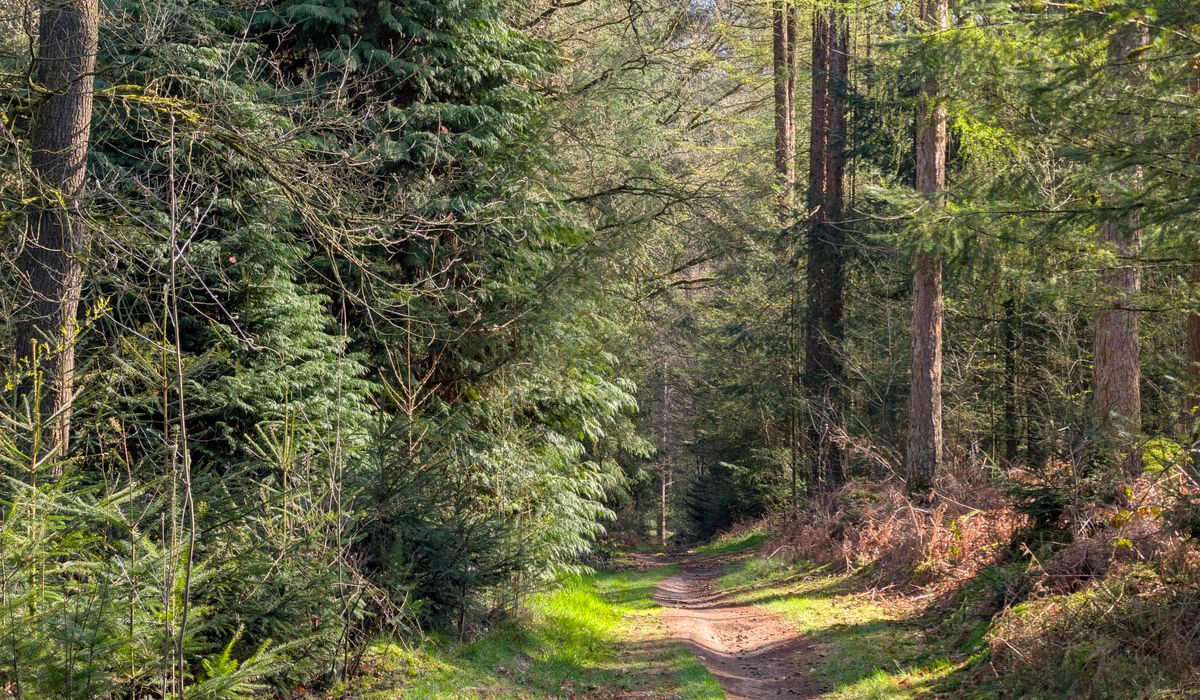
Creating a Small Coppice for Sustainable Woodland Management
Why a Small Coppice Makes Sense
A small coppice — perhaps a quarter of an acre or even a strip along a field edge — can yield a remarkable amount of useful material whilst creating a richer habitat than a stand of mature trees alone. Coppicing is the ancient art of cutting certain trees and shrubs close to ground level on a regular cycle, encouraging them to send up a flush of straight, vigorous shoots from the stump, or stool. Those shoots can be harvested for fuel, fencing, hurdles, bean poles, basket-making and charcoal. Just as importantly, the cycle of cutting and regrowth lets sunlight reach the woodland floor, triggering a burst of flowers, insects and birds that depend on open, sunny woodland. For the woodland gardener, a small coppice is a sustainable, low-input way to produce useful wood while giving nature a helping hand.
Choosing the Right Species for Your Coppice
The best species for a small coppice are those that coppice reliably, suit your soil and climate, and serve your intended uses. Here are some tried-and-tested options for British gardens and smallholdings:
- Hazel: The classic coppice tree. Thrives on most soils except very wet or very dry. Rotations of 7–10 years yield straight rods for hurdles, pegs, bean poles and kindling. Excellent for wildlife, including dormice.
- Ash: Fast-growing and versatile on moist, fertile ground. Rotations of 10–15 years produce tool handles, oars and firewood. Plant only where ash dieback is not a major concern, and avoid moving infected material.
- Sweet chestnut: Prefers free-draining, acidic soils. Rotations of 12–15 years give durable fencing, posts and stakes. Slower to establish but very long-lived as a stool.
- Willow: Ideal for damp ground and biomass. Short rotations of 3–5 years produce flexible rods for baskets, plant supports and fuel. Easy to propagate from cuttings.
- Field maple, alder and lime: Useful additions for diversity. Field maple suits chalky soils, alder loves wet ground, and lime gives soft, workable wood for carving.
You can also plant a few standards — oak, ash or wild cherry — spaced among the coppice stools. These grow to full size for timber and acorns or berries, creating a traditional coppice-with-standards system that is superb for wildlife.
Site Preparation and Planting
Choose a site that gets plenty of light — coppice stools grow best in sun or light shade. Avoid frost pockets, where young shoots can be nipped in late spring. Clear perennial weeds such as couch grass and brambles before planting, as they will compete fiercely with young whips. A year of smothering with cardboard or black polythene can help.
Plant bare-root whips between November and March, when the ground is workable and the plants are dormant. Spacing depends on species: hazel at 30–45 cm apart, sweet chestnut at 1–1.5 metres. Dig a slit or small hole, firm the soil, and water well. Protect every whip with a tree guard or a rabbit-proof fence — deer and rabbits will otherwise browse the new growth to nothing. Mulch around the base with well-rotted woodchip or compost, but keep it clear of the stem. Water during dry spells for the first two summers.
Rotation Cycles and Cutting Techniques
The rotation length is the interval between cuts. It determines the size of the rods you harvest and the structure of the habitat. As a guide:
- Willow: 3–5 years for basket rods and biomass.
- Hazel: 7–10 years for hurdles, pegs and poles.
- Ash: 10–15 years for handles, fuel and crafts.
- Sweet chestnut: 12–15 years for fencing and posts.
Always cut in winter, when the sap is down and the wood is dormant. Use sharp tools — a billhook, pruning saw or loppers — and make clean, angled cuts close to the stool, just above the previous cut. Never cut in hard frost, as the wood can shatter. Cut all the stems on a stool at once, rather than leaving a few, to encourage vigorous regrowth. If you want to leave some cover for wildlife, spare a few stools entirely each year, or leave one or two stems on occasional stools. Never cut more than one-third of your coppice area in any single winter, so there is always a mosaic of ages.
Managing for Wildlife and Craft
Coppicing creates a constantly changing patchwork of light and shade. After cutting, the ground warms up and woodland flowers such as bluebells, wood anemones and foxgloves bloom. Butterflies, bees and other pollinators follow. Dormice favour dense, early regrowth of hazel, whilst birds nest in the standards and deadwood piles. Leave some fallen branches and standing dead trees where safe to do so — they are a banquet for beetles and fungi.
For crafters, the harvest is a joy. Straight hazel rods become hurdles, plant supports, bean poles and walking sticks. Willow rods weave into baskets and obelisks. Chestnut makes durable stakes and rails. Thicker wood goes for firewood, charcoal or kindling. Even the smallest twigs can be bundled as faggots for starting fires.
Harvesting, Using and Long-Term Care
Cut your coppice in winter and sort the material as you go. Keep the straightest rods for crafts, the medium stems for fuel, and the brash in a habitat pile. Store cut wood under cover in an airy stack, off the ground, so it dries without rotting. Coppice stools are incredibly long-lived — hazel stools can produce wood for centuries if protected from grazing. After each cut, check for damage from rabbits or deer and repair fences as needed. Every few years, thin out any standards that are shading the coppice too heavily. With patience and a sharp billhook, your small coppice will reward you with fuel, materials and a thriving, sunlit woodland that gets better with every rotation.


Tree Care
-
Understand why standing deadwood and fallen logs are vital for insects, fungi, and birds in a balanced woodland habitat.


Planting




-

Long established fact that a reader will be distracted
-

Long established fact that a reader will be distracted
-

Long established fact that a reader will be distracted




Woodland
Karla Gleichauf
12 May 2017 at 05:28 pm
On the other hand, we denounce with righteous indignation and dislike men who are so beguiled and demoralized by the charms of pleasure of the moment
M Shyamalan
12 May 2017 at 05:28 pm
On the other hand, we denounce with righteous indignation and dislike men who are so beguiled and demoralized by the charms of pleasure of the moment
Liz Montano
12 May 2017 at 05:28 pm
On the other hand, we denounce with righteous indignation and dislike men who are so beguiled and demoralized by the charms of pleasure of the moment