

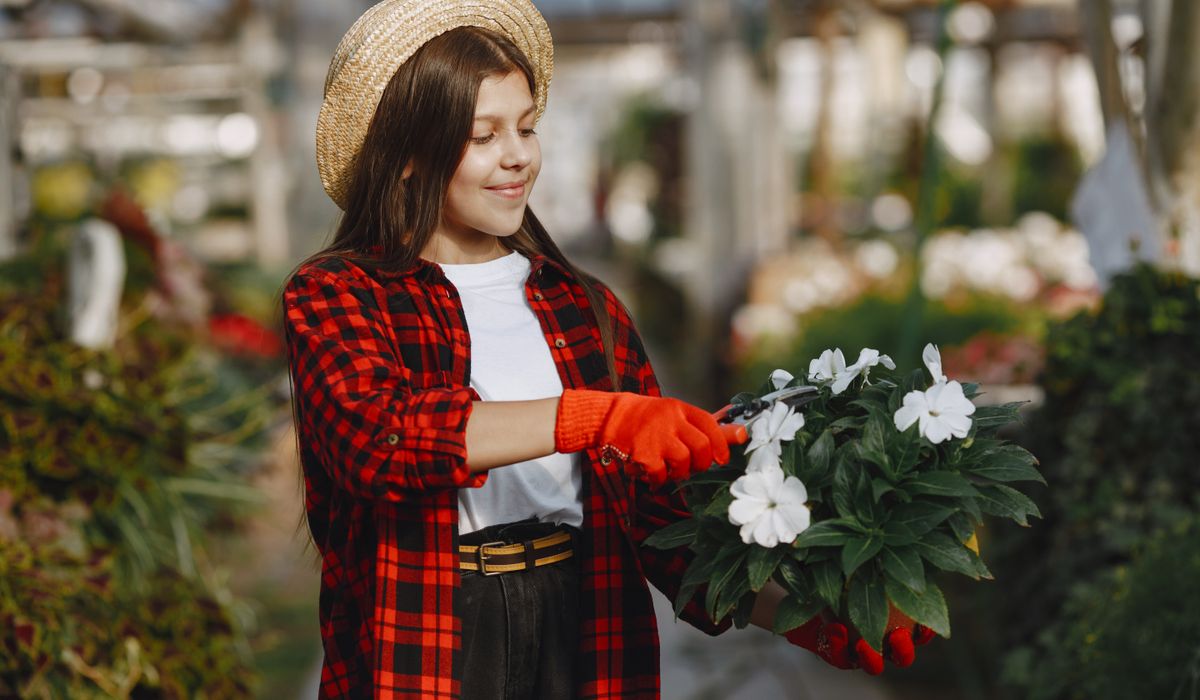
Managing Aphids on Young Trees Without Chemicals
Why young trees are a magnet for aphids
Young trees push out soft, sappy growth in spring, and that tender foliage is like a welcome mat for aphids. Unlike mature trees, which can shrug off a few colonies, a young whip or maiden tree has limited reserves. A heavy infestation can distort leaves, stunt extension growth, and leave the tree vulnerable to other stresses. It is tempting to reach for a chemical spray, but that often makes matters worse. Harsh insecticides kill ladybirds, lacewings, and parasitic wasps alongside the aphids, and aphid populations can rebound even faster once their natural enemies are gone. The good news is that you can manage aphids effectively with nothing more than water, a little patience, and some clever gardening.
Know your aphids: the common culprits on British trees
Not all aphids are the same, and identifying yours helps you time your actions. On apple trees, you might meet the rosy apple aphid, which curls leaves and stunts fruit, or the woolly aphid, which hides under a white waxy fluff on branches and wounds. Cherry trees often host the black cherry aphid, a shiny black insect that clusters on young shoots. Plums and damsons attract the leaf-curling plum aphid, which causes tight, puckered leaves. Oaks, birches, and limes each have their own specialists. Many aphids overwinter as eggs on the tree itself, while others migrate from herbaceous plants in summer. Look for sticky honeydew, sooty mould, curled shoots, and of course the insects themselves, usually on the undersides of leaves and along soft stems.
Encourage natural predators: your best allies
A healthy garden is full of aphid-eating creatures, and you can attract more of them with simple planting. Ladybirds, both adults and their spiky larvae, are voracious. Lacewing larvae, hoverfly larvae, and tiny parasitic wasps also do sterling work. To bring them in, plant umbellifers such as dill, fennel, and coriander, plus daisies like poached egg plant and calendula. Allow a few wild corners with nettles and grasses. Birds such as blue tits and great tits will pick aphids off trunks and branches, so put up nest boxes and offer a bird bath. Avoid all pesticides, even organic ones, because they disrupt this delicate balance. A diverse garden will soon have a resident patrol of predators ready to pounce.
Water sprays and barriers: simple, effective tools
A strong jet of water is one of the best chemical-free controls. Early in the morning, blast the affected shoots with a hose or a pump sprayer filled with plain water. The aphids are knocked off and rarely climb back. Repeat every two or three days until numbers drop. Focus on the undersides of leaves and the tips of shoots. For barriers, think about ants. Ants farm aphids, protecting them from predators in exchange for honeydew. Stop the ants and you weaken the aphid colony. Wrap a band of horticultural glue or a smear of Vaseline around the trunk, but first protect young bark with a collar of soft cloth or tree wrap. Alternatively, place sticky ant traps at the base. Reflective mulches, such as aluminium foil laid on the soil, can also confuse winged aphids looking for a landing site. For small trees, simply squashing colonies by hand, wearing gloves, is quick and satisfying.
Companion planting and trap crops
Clever planting can lure aphids away from your young trees. Nasturtiums are a classic trap crop: aphids love them, so plant a few nearby and then remove the infested plants before the pests move on. Strong-scented alliums, chives, garlic, and mint can mask the tree’s aroma, making it harder for aphids to find. Grow these in pots near the trunk so they do not compete for water and nutrients. French marigolds and summer savory also help. Remember that a stressed tree is more attractive to aphids, so keep young trees well watered during dry spells and mulch around the base to conserve moisture. Avoid high-nitrogen fertilisers, which produce the soft, sappy growth that aphids adore. A balanced, slow-release feed is far better.
A seasonal routine for healthy young trees
Start in late winter with a careful inspection. Prune out any shoots covered with aphid eggs, and clear fallen leaves from around the base. In early spring, as buds break, check your trees every few days. Set up ant barriers and hang a bird feeder nearby. If you spot aphids, start your water sprays immediately. By late spring and summer, keep an eye on new growth and repeat sprays as needed. Encourage predators by leaving some flowering plants to bloom. In autumn, remove any lingering aphids by hand and tidy up debris. Throughout the year, water deeply during dry periods and mulch with well-rotted compost. A strong, well-tended young tree will tolerate a few aphids without any need for chemicals, and your garden will be richer for the wildlife you support.


Tree Care
-
Identify honey fungus symptoms and learn practical measures to limit its spread, protecting susceptible trees and shrubs in your garden.
Planting



-

Long established fact that a reader will be distracted
-

Long established fact that a reader will be distracted
-

Long established fact that a reader will be distracted

Woodland
Karla Gleichauf
12 May 2017 at 05:28 pm
On the other hand, we denounce with righteous indignation and dislike men who are so beguiled and demoralized by the charms of pleasure of the moment
M Shyamalan
12 May 2017 at 05:28 pm
On the other hand, we denounce with righteous indignation and dislike men who are so beguiled and demoralized by the charms of pleasure of the moment
Liz Montano
12 May 2017 at 05:28 pm
On the other hand, we denounce with righteous indignation and dislike men who are so beguiled and demoralized by the charms of pleasure of the moment