

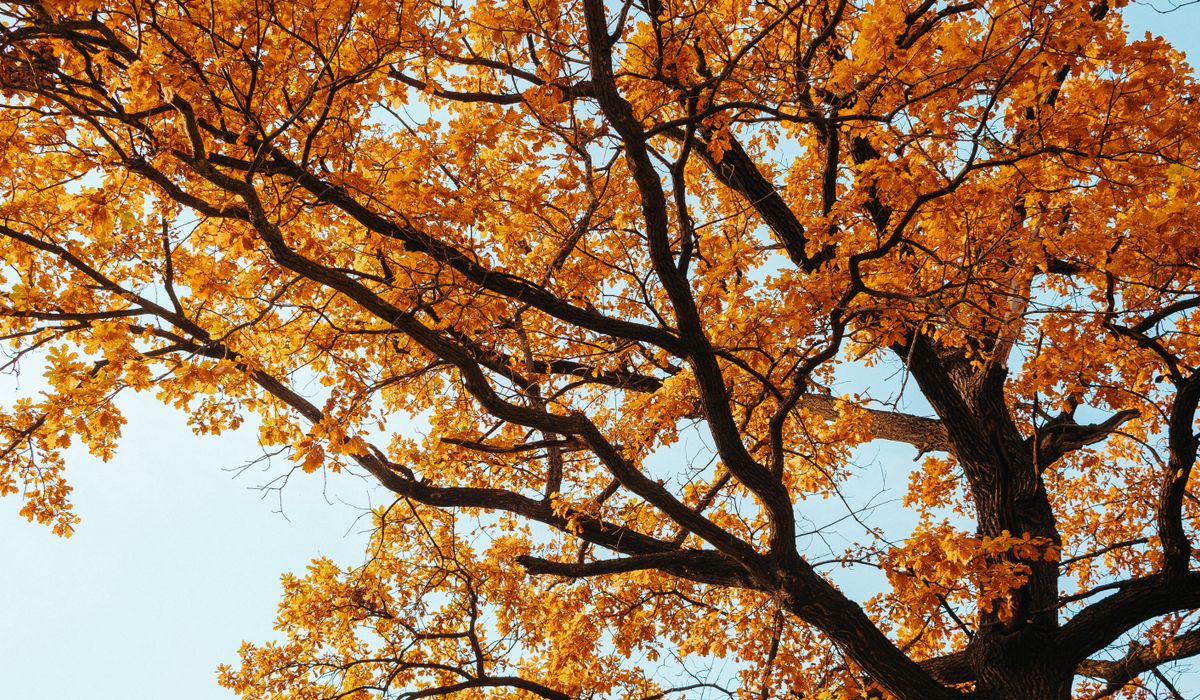
The Role of Deadwood in a Healthy Woodland Ecosystem
Deadwood Is Not Waste — It Is the Woodland Larder
The instinct to tidy is one of the hardest habits to break. After a February gale, a garden woodland can look like a building site: limbs down, a birch leaning at forty-five degrees, a heap of brash across the bluebells. Most of us reach for the saw and the wheelbarrow. Yet the single most useful thing you can do for woodland wildlife is often to leave that mess very nearly where it fell.
Deadwood is not the end of a tree's life; it is the beginning of several hundred others. The saproxylic invertebrates — the beetles, hoverflies, craneflies and moths that depend on dead or dying wood — form one of the richest communities in the British countryside, and one of the most threatened. Our tidy woodlands, swept clean for firewood and tidiness, have far less of it than they did a century ago. A modest log pile in the corner of a copse is not a compromise; it is habitat.
Standing Deadwood: Habitat in Three Dimensions
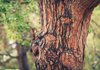
A standing dead tree, known as a snag to woodland ecologists, offers far more than a log lying flat. It catches the sun at different angles through the day, it keeps its bark and its hollows, and it holds height — precious, contested height. Great spotted woodpeckers prefer to excavate in soft, decaying trunks, and the resulting cavities are later inherited by nuthatches, treecreepers, stock doves, tawny owls and bats. Pipistrelles and the rarer barbastelle will roost beneath loose, peeling bark on a standing dead oak.
Standing deadwood also feeds the canopy: ivy and honeysuckle climb it, bracket fungi fruit from it, insect larvae tunnel just beneath the surface where birds can find them. If a tree has died but stands safely away from paths, boundaries and buildings, leave it. It is worth more upright than in a log basket.
Fallen Logs, Stumps and the Woodland Floor
Fallen timber does different work. It stays cool and damp, holds a steady temperature through summer heat and winter frost, and slowly disappears under moss, fern and dog's mercury. That damp understorey is where hedgehogs hibernate, toads shelter and common lizards bask on warm bark. Rotting stumps are especially valuable: the stag beetle spends up to seven years as a larva in decaying wood, often underground near old stumps in the South East, while hundreds of less famous beetles and flies do the same work everywhere else.
In streams and ditches, fallen branches are just as important. Large woody debris slows the flow, traps leaf litter, and creates the pools and riffles that brown trout, bullhead and freshwater invertebrates need. Pulling it out to "clear the burn" usually makes flooding and erosion worse, not better.
Fungi: The Quiet Engine of Decay
None of this recycling happens without fungi. Beefsteak fungus, sulphur polypore, birch polypore, dead man's fingers and their countless less conspicuous relatives thread mycelium through the timber, breaking down lignin and cellulose and turning wood back into soil. Different fungi attack different woods at different stages, which is why a piece of deadwood passes through a whole succession of species as it ages — from the beetles that arrive on fresh bark to the mosses and woodlice that finish the job.
This is why variety matters more than volume. A single large oak log is superb, but a mix of oak, birch, ash and willow — some standing, some fallen, some part-buried — supports far more life than a neat stack of one species. Aim for a range of sizes, from finger-thick branches to trunk sections, and a range of conditions, from sunlit to deep shade.
Practical Deadwood in a Garden Woodland or Small Copse
- Leave fallen branches in situ where they are not a hazard; move them only a few metres if you must.
- Create log piles, partly buried, in shade — buried timber holds moisture and lasts longer.
- Keep brash heaps. They shelter wrens, robins and hedgehogs, and slowly return nutrients.
- Cut stumps at three to five metres rather than flush, and leave them to decay naturally.
- Do not chip or burn woody material unless it is diseased; chipping destroys the structure wildlife needs.
- Do not import deadwood from elsewhere. Saproxylic insects disperse poorly, and moving timber risks spreading pathogens.
- Leave ivy on dead trees — it is shelter and late nectar, not a tree killer.
Health, Safety and the Long View
None of this means ignoring risk. Ash dieback is currently leaving large numbers of dead and dying ash across Britain, and some of them are dangerous. Beech, poplar and horse chestnut can shed heavy limbs without warning. If a dead tree stands within falling distance of a road, footpath, boundary or building, have it assessed by a qualified arboriculturist. A skilled tree surgeon can often reduce a specimen to a safe monolith — a tall, stable stump with coronet cuts that mimic natural fracture — retaining most of the habitat value while removing the danger.
Then the hardest part: waiting. Deadwood is a slow resource. Oak heartwood can stand for fifty years or more before it softens enough for a woodpecker, and a wood takes decades to develop a real veteran tree. The reward, though, is a woodland that runs on all its engines — insects, fungi, birds and soil working together, mostly out of sight, on material most people would have carted away.


Tree Care
-
Compare compact varieties and rootstocks suited to patios and smaller plots, ensuring your chosen tree fits the space available.
Planting



-

Long established fact that a reader will be distracted
-

Long established fact that a reader will be distracted
-

Long established fact that a reader will be distracted

Woodland
Karla Gleichauf
12 May 2017 at 05:28 pm
On the other hand, we denounce with righteous indignation and dislike men who are so beguiled and demoralized by the charms of pleasure of the moment
M Shyamalan
12 May 2017 at 05:28 pm
On the other hand, we denounce with righteous indignation and dislike men who are so beguiled and demoralized by the charms of pleasure of the moment
Liz Montano
12 May 2017 at 05:28 pm
On the other hand, we denounce with righteous indignation and dislike men who are so beguiled and demoralized by the charms of pleasure of the moment